Queen Line Art: A Designer’s Review for Boutique Sweatshirt Embroidery
First Impressions: Elegance Meets Minimalism
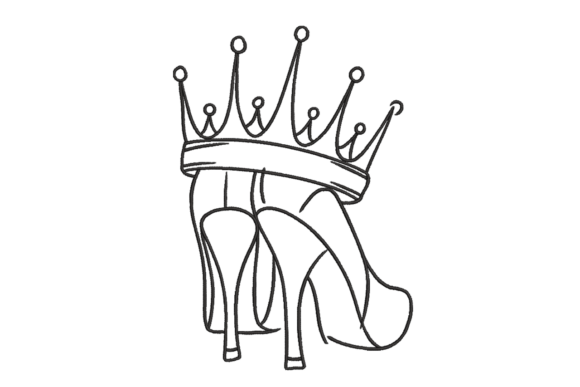
As an embroidery designer with years of experience crafting custom apparel for boutique brands, my first reaction to Queen Line Art was a mix of admiration and curiosity. The title itself evokes a sense of regality and simplicity—a perfect blend for small shop owners and Etsy sellers aiming to elevate their handmade product line.
The design feels feminine and refined, with a layout that suggests clean, flowing lines and subtle detail. It gives off a premium vibe without being overly ornate, which makes it versatile for a variety of sweatshirt styles—from neutral basics to seasonal pastel collections. The implied stitch structure suggests a machine embroidery design that balances openness and definition, avoiding the heaviness that can overwhelm soft knit fabrics.
Placement Options: From Chest to Sleeve
When considering sweatshirt embroidery, placement is key. Queen Line Art strikes me as a design that could work beautifully in multiple spots:
- Hoodie chest placement – Its linear nature would sit neatly centered without overpowering the garment.
- Sleeve accents – Positioned on the upper arm or just below the cuff, it adds a subtle signature touch.
- Back designs – Scaled up slightly, it could serve as a minimalist statement piece on oversized hoodies.
This flexibility makes it ideal for boutique brands looking to create a cohesive but not repetitive product line. Whether used on a cozy oversized sweatshirt or a fitted pullover, the design maintains its visual identity without demanding too much fabric space.
Color and Fabric Compatibility
One of the first practical concerns when reviewing an embroidery file is how it will translate across different thread colors and fabric textures. Based on the name and implied style, Queen Line Art seems to be a design that thrives on contrast.
On neutral sweatshirts like cream or heather gray, it would stand out with a soft elegance—especially if stitched in black, gold, or deep navy. On dark fabric, a light thread color like white or silver could give it a bold, crisp look. For pastel colors, I’d recommend a matching or complementary thread to keep it cute and playful without losing definition.
Technical Considerations for Embroidery Shops
Before diving into production, any embroidery shop must consider the technical aspects of a digital embroidery file. Here’s how Queen Line Art might perform in a real-world scenario:
- Stitch density – Based on the design’s name and aesthetic, I suspect it leans toward a lighter density, which is ideal for stretchy sweatshirt knits. Too dense a stitch could cause puckering or stiffness.
- Thread color contrast – Important for visibility, especially if the design includes small elements. Buyers should test mockups to ensure legibility on various fabrics.
- Stabilizer choice – A medium-weight tear-away or cut-away stabilizer would work best for sweatshirt thickness. This ensures the design remains crisp after washing.
- Hoop placement – The linear format makes it easier to center and align on curved surfaces like sleeves or the chest area.
Washing durability is another factor. If the design is well-digitized, it should hold up to repeated wear and laundering, which is essential for commercial embroidery use. However, I’d advise testing on a sample garment before bulk production.
Brand Value and Visual Identity
For small shop product branding, Queen Line Art offers a unique opportunity to build a recognizable visual identity. Its minimal yet decorative nature allows it to feel intentional without shouting for attention. This is key for boutique brands that want to convey quality and craftsmanship without overdesigning.
In product photography and printable mockups, this design would photograph beautifully. The clean lines and defined edges ensure it stands out in lifestyle images, especially when styled with other handmade or curated pieces. It supports a cozy seasonal apparel theme or a modern minimalist capsule collection.
For Etsy sellers and digital sellers, the ability to pair this design with lifestyle content and storytelling is invaluable. It adds a handmade presentation that resonates with buyers looking for something special and wearable.
Market Appeal and Customer Engagement
Understanding the emotional impact of a design is as important as its technical execution. Queen Line Art has a softly confident presence—bold enough to catch the eye, but cute and approachable enough to appeal to a wide audience.
It fits well within the Beauty category, especially for brands that focus on feminine, lifestyle-driven apparel. Whether used in a custom apparel drop or as part of a curated merchandise collection, this design invites engagement through its simplicity and elegance.
For creative entrepreneurs, it offers a chance to differentiate their product line from mass-produced alternatives. The design’s adaptability means it can be used across multiple product types—not just sweatshirts, but tote bags, pillow covers, or even accessory items like headbands or pouches.
Final Thoughts: Ready for Production?
Overall, Queen Line Art feels like a strong contender for boutique sweatshirt embroidery. It balances style, versatility, and practicality—three essential qualities for any machine embroidery design intended for commercial use.
Before production, I recommend reviewing the design assets thoroughly:
- Check the actual stitch count and file formats included.
- Verify the hoop size to ensure compatibility with your machine.
- Confirm licensing terms for commercial embroidery use.
Once those details are confirmed, Queen Line Art could become a staple in your small clothing brand lineup—elevating your custom apparel while maintaining a sense of exclusivity and artistry.